
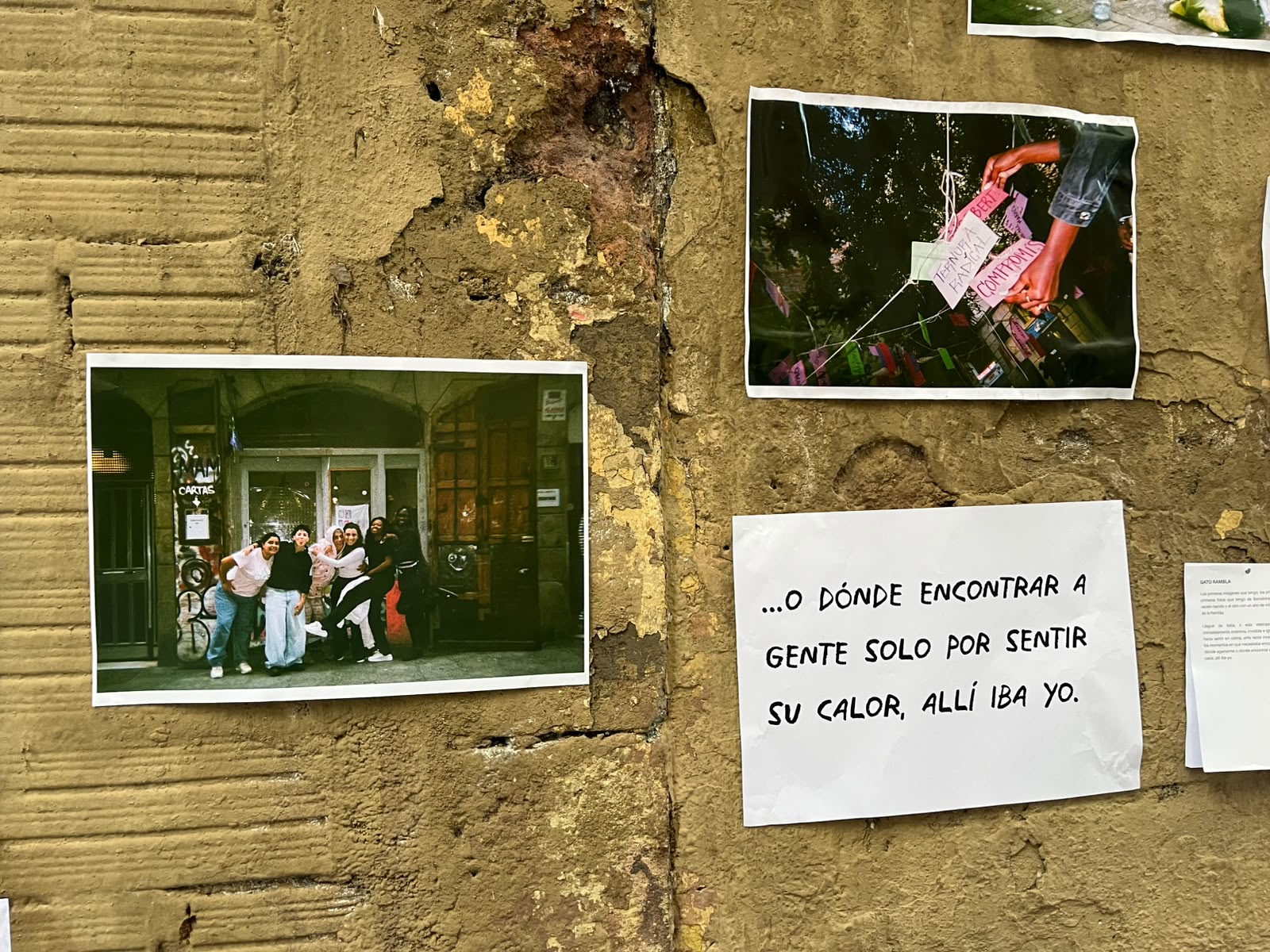
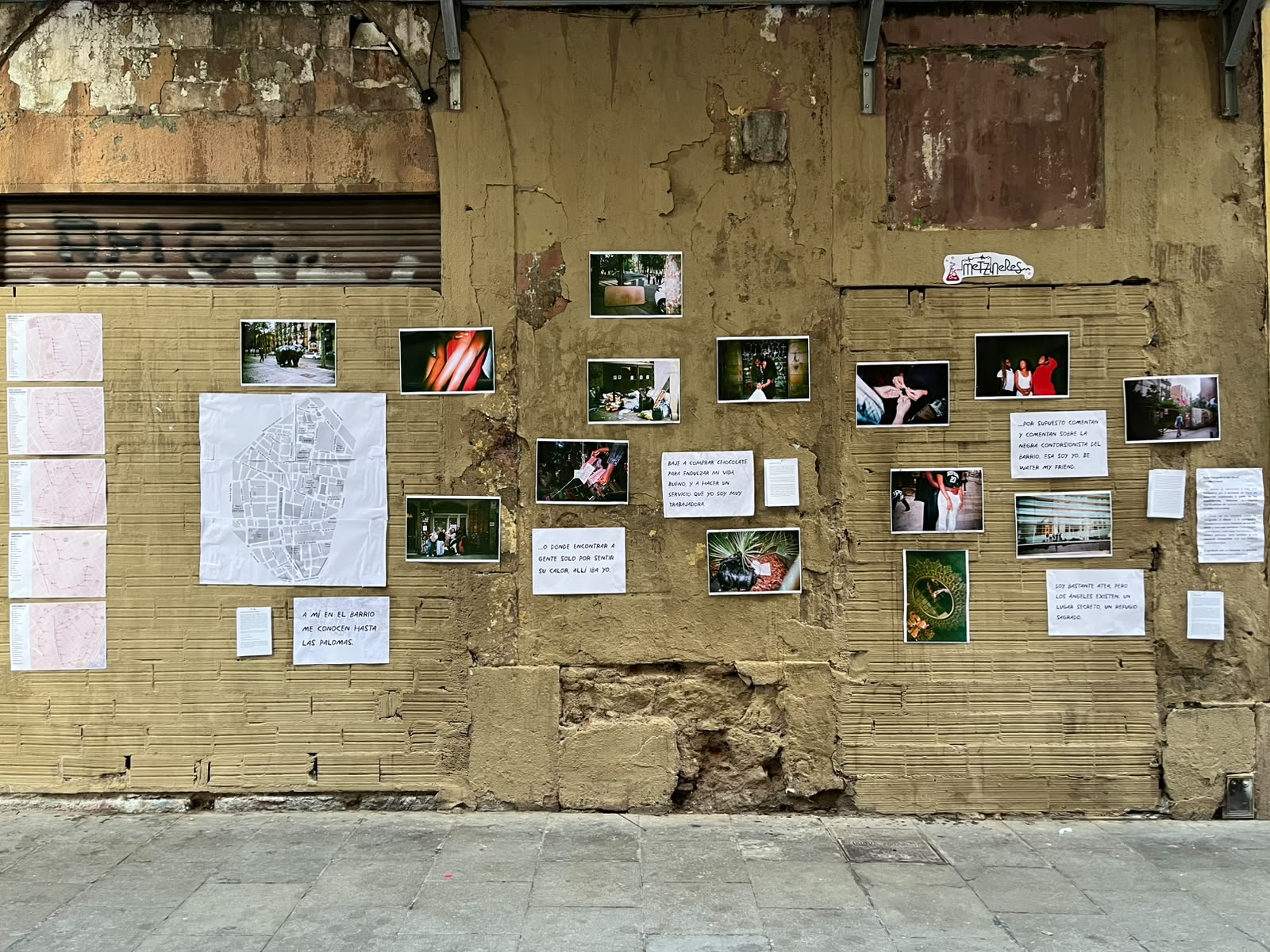
When we talk about the Raval, many of the stories told about the neighbourhood don’t always reflect what we, as residents, actually experience. This tension gave rise to the question that shaped a collective creative process: what changes when the people who live in a neighbourhood are the ones representing their own territory? This was the starting point for Cartografies: teixir comunitat des dels marges, the exhibition we put together on Carrer de la Lluna as part of the Raval(s) Festival, within the non-mixed space Dones i Dissidèncie(s) – DID (Women and Gender Dissidence).
The activity was conceived as a workshop series held over several sessions, combining photography, social mapping and other creative forms of expression to explore what the Raval means to us: territory as a physical space, as connection, as body and as memory.
How We Created Our Map
In the first session, migration and territory were the central themes that invited participants to reflect on their own experiences. A map of the neighbourhood gradually began to fill with other territories, journeys and stories that the women carried with them. Reflecting on the Raval as a physical space led to questions about identity, belonging and the symbols that allow us to recognise ourselves.
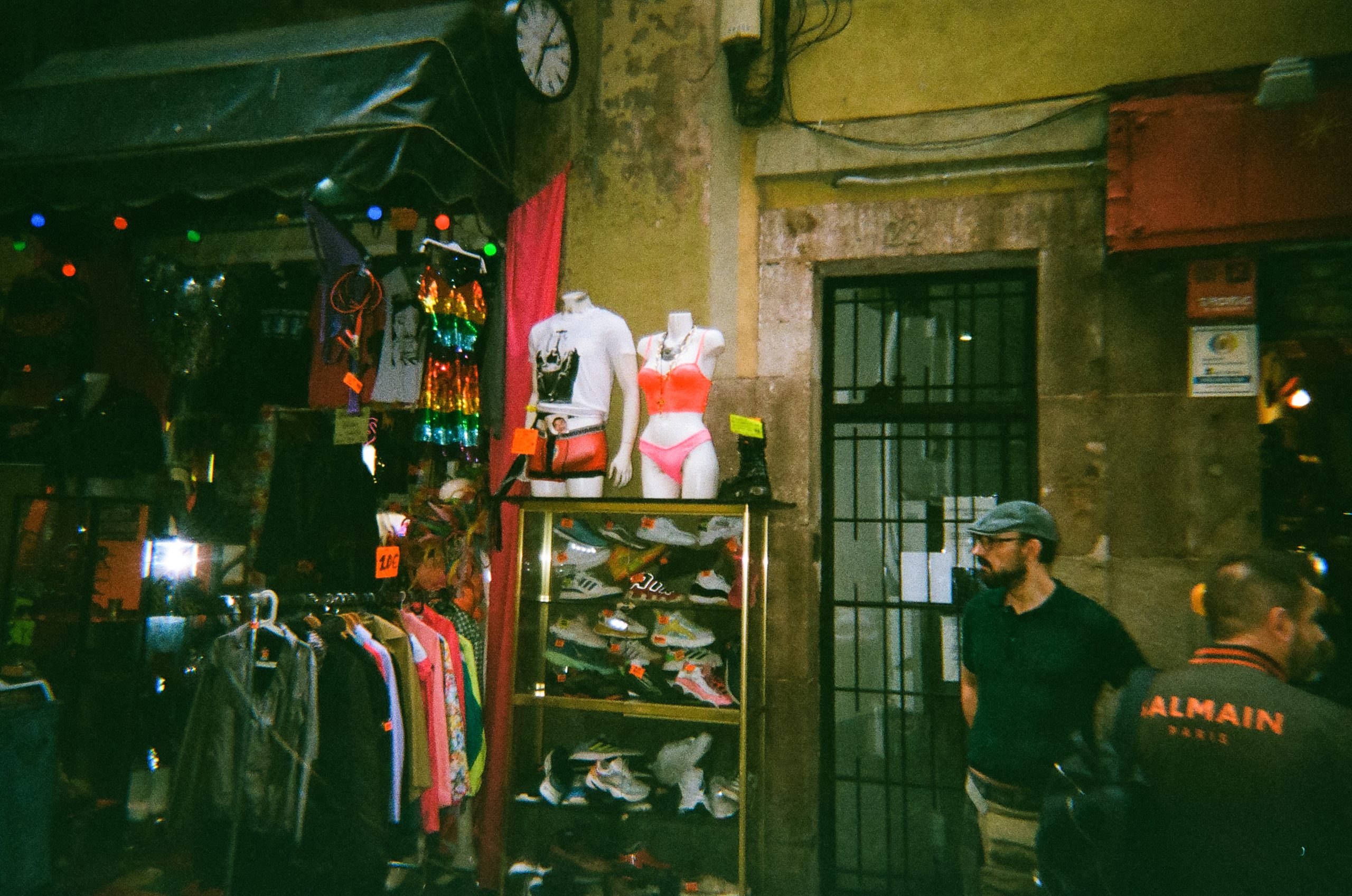
The second session introduced photography as a way of exploring territory both as a physical space and as a body: where do I feel safe? How do I recognise myself, individually and collectively, in these spaces? We took our cameras into the streets to photograph the corners of the neighbourhood that resonated with us. In the third session, we shared our photographs, bringing different perspectives and stories together. Our ideas of what makes a place safe or a refuge are deeply connected to our individual experiences. The Raval changes significantly between day and night. It is not equally safe for everyone: it depends on the people, their experiences and the time of day.
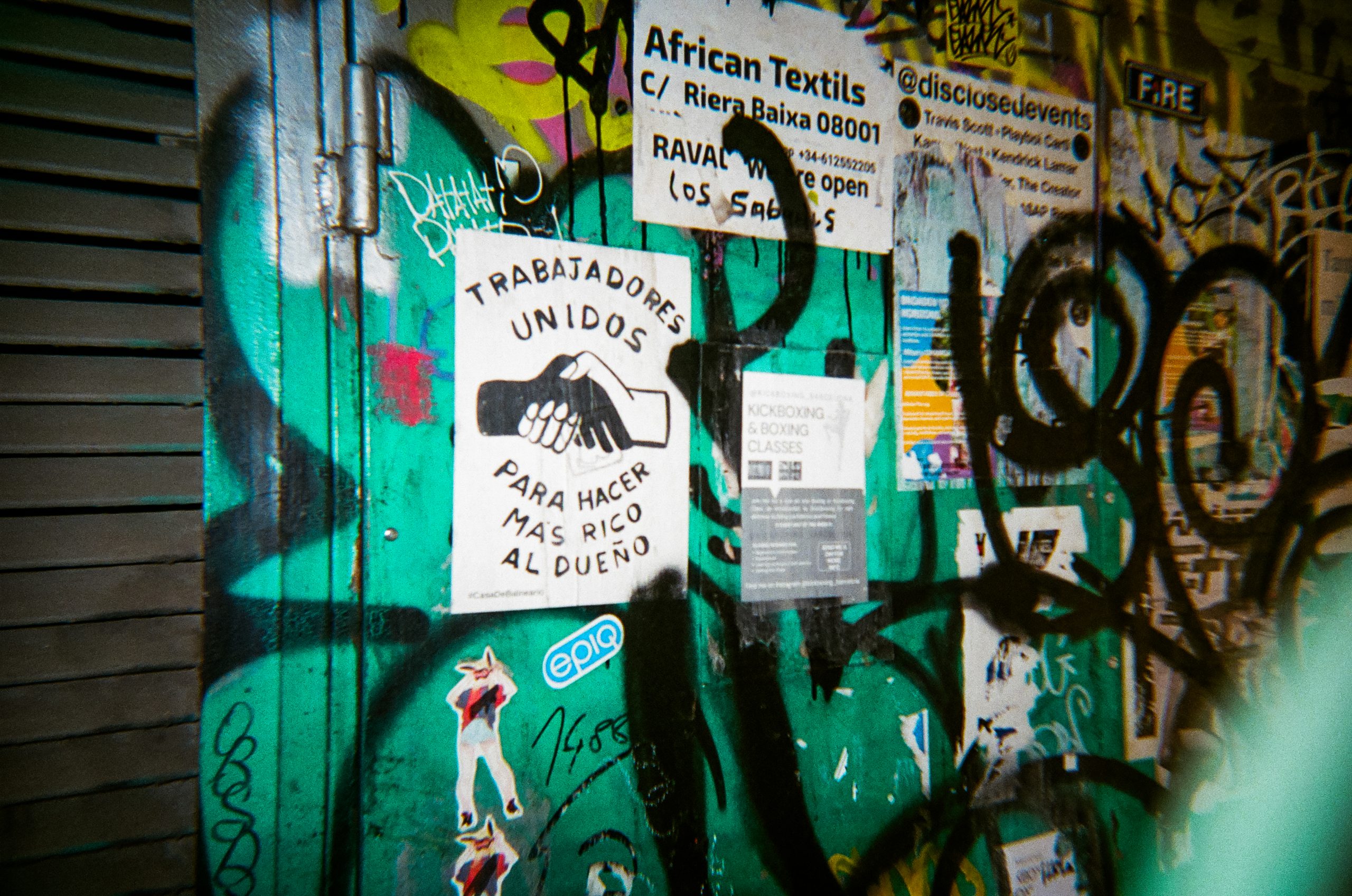
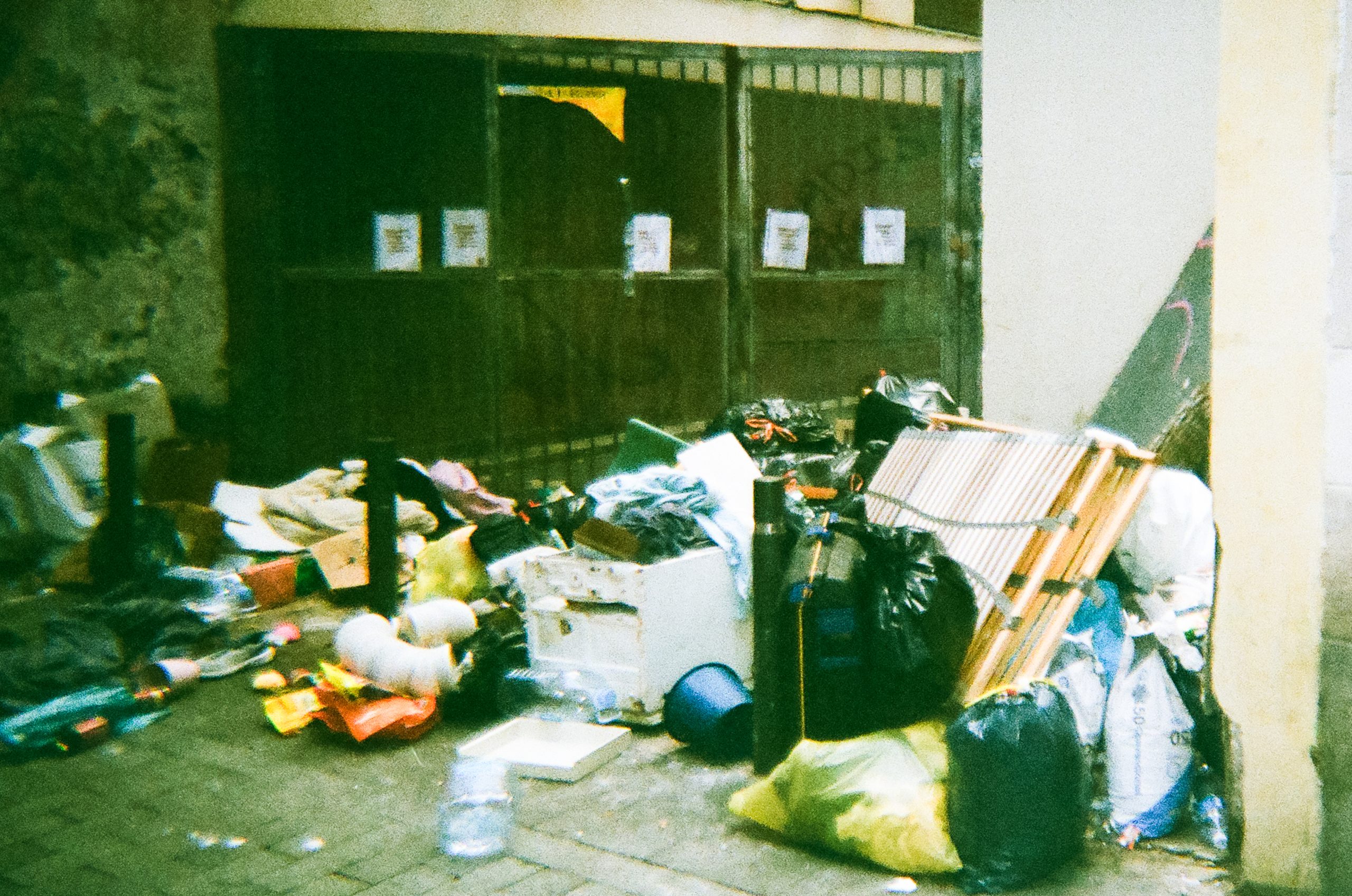
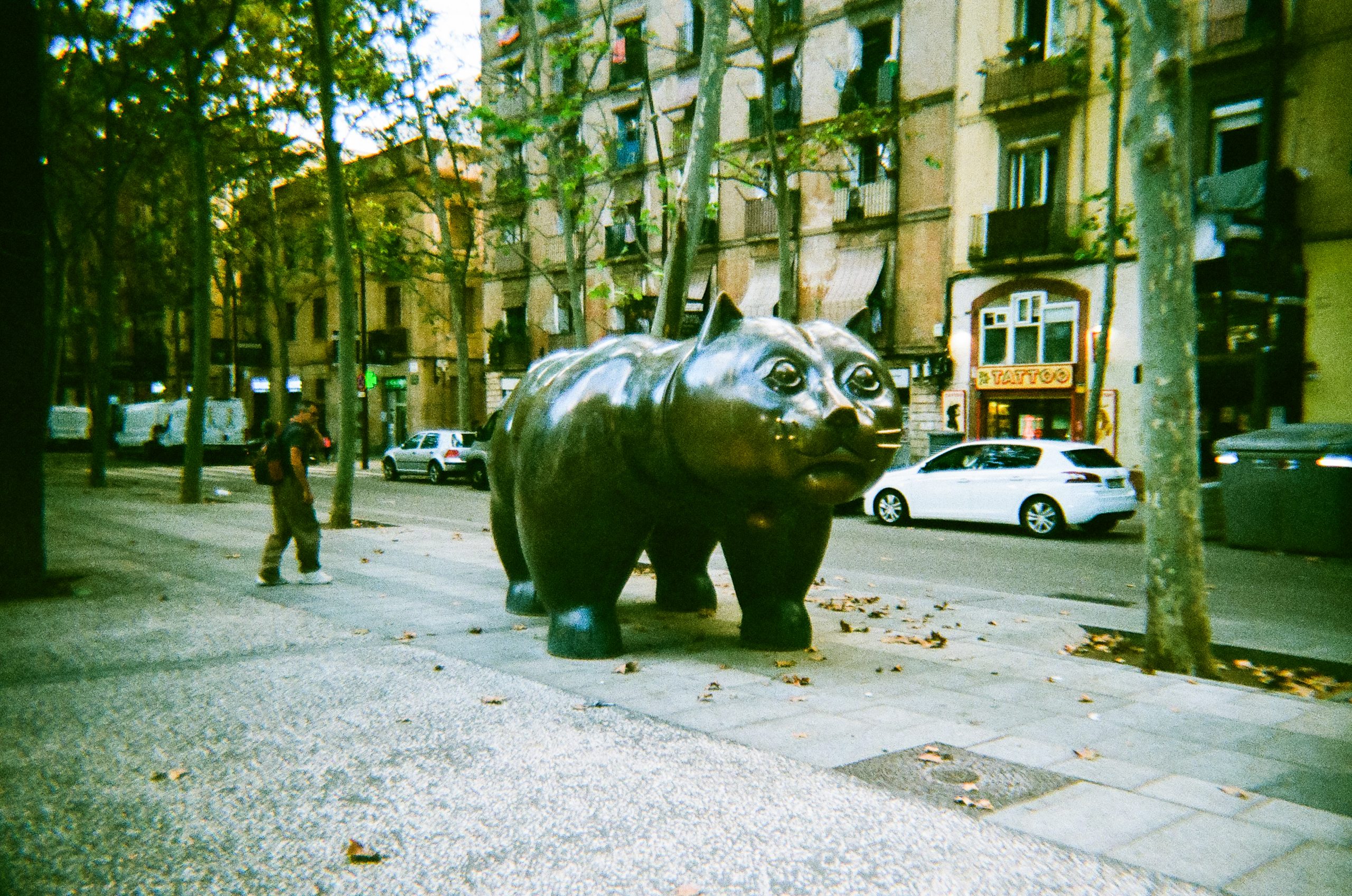
Our Voices Create Space for Different Narratives
As the sessions unfolded, the creative process continued to expand. In the Monologueando workshop, we drew on our own experiences and perceptions to write stories, adding another creative language to the exhibition. What began as a photography exercise became an interconnected collection of images, texts and maps, bringing together weeks of conversation, listening and collective creation.
We also want to show the Raval through the routes we take, its tensions and the care that exists within it. The exhibition was a way of making ourselves visible through our own voices, grounded in the community networks that sustain our neighbourhoods, and of showing how perspectives shift when the people at the centre of these experiences tell their own stories. Bringing the exhibition into public space was an invitation to start conversations, encouraging anyone passing through the Raval to stop, take a curious look and continue discovering new stories.
What Is Raval(s)? A Little Context
The Raval(s) Festival is a community-based process of sociocultural and artistic creation driven by 121 organisations, collectives and neighbourhood residents. It is a community initiative created with and for the people of the Raval, coordinated by Tot Raval. Its programme spans almost every artistic discipline —music, dance, theatre, audiovisual arts, visual arts and crafts— through performances, exhibitions, installations, concerts, guided walks and gatherings. Over three days, the festival celebrates culture, creativity and community participation through a feminist, anti-racist and ecosocial approach. All activities are free, making art and culture more accessible to everyone. This year, Raval(s) passed through like a shooting star: three days in which the neighbourhood enjoyed more than 50 activities.