1

Polvos, calles y saberes: A Living Guide by and for Sex Workers

Today, June 2, the global sex workers’ movement commemorates a date born of struggle, dignity, and resistance. In 1975, more than one hundred sex workers occupied the Church of Saint-Nizier in Lyon to denounce police repression, violence, and the appalling conditions to which they were subjected.

Fifty years later, we are still here: organizing, creating autonomy, and building tools to support our strategies for survival and collective care.

This is a day of struggle against stigma, criminalization, and institutional violence. It is also a day to demand recognition of our human, labor, social, and health rights. From Metzineres, we want to focus on something very specific: access to information, self-care, and the ability to make decisions about our bodies, our drug use, and our work.

A Living Tool of Community Knowledge

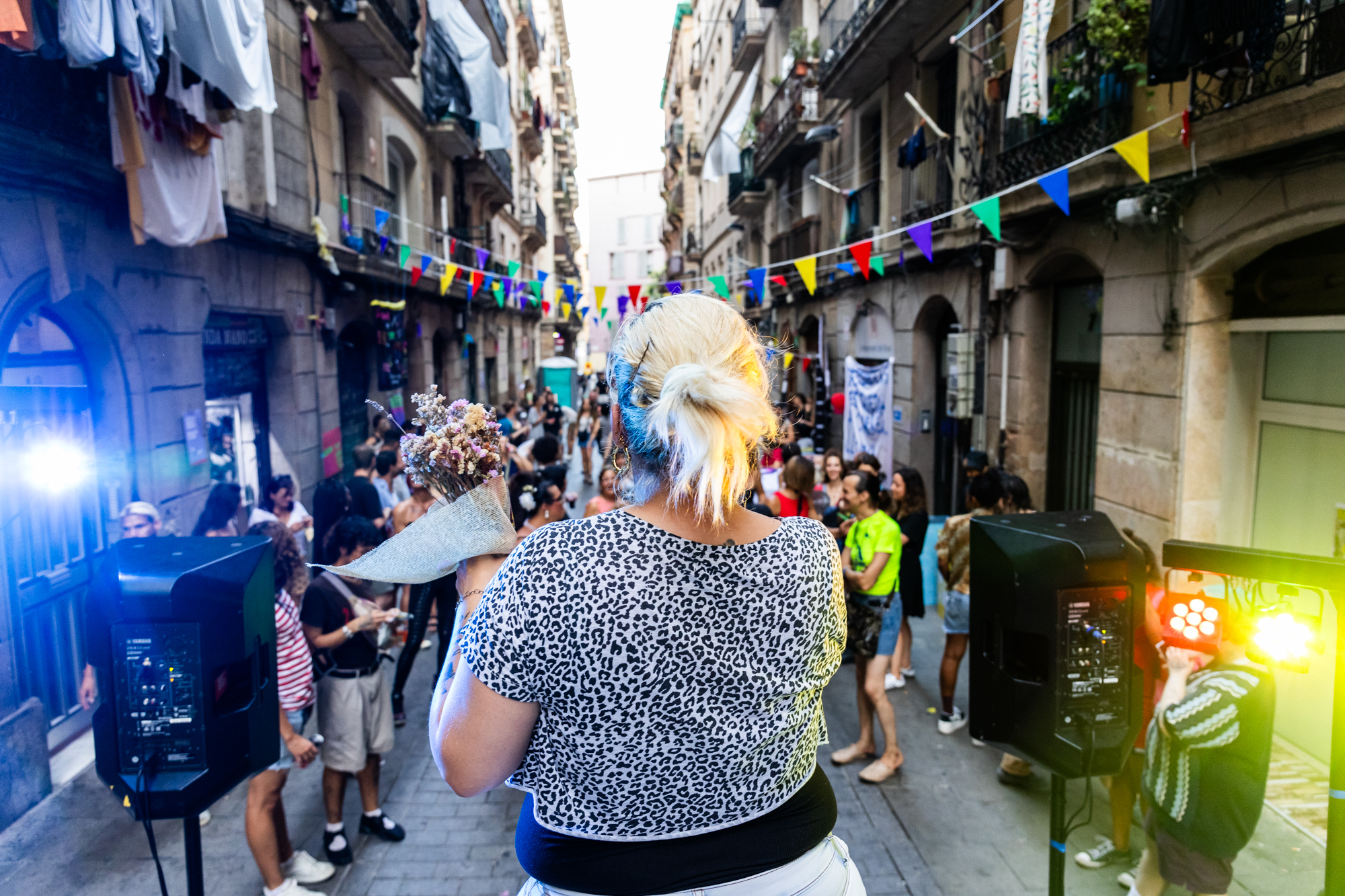
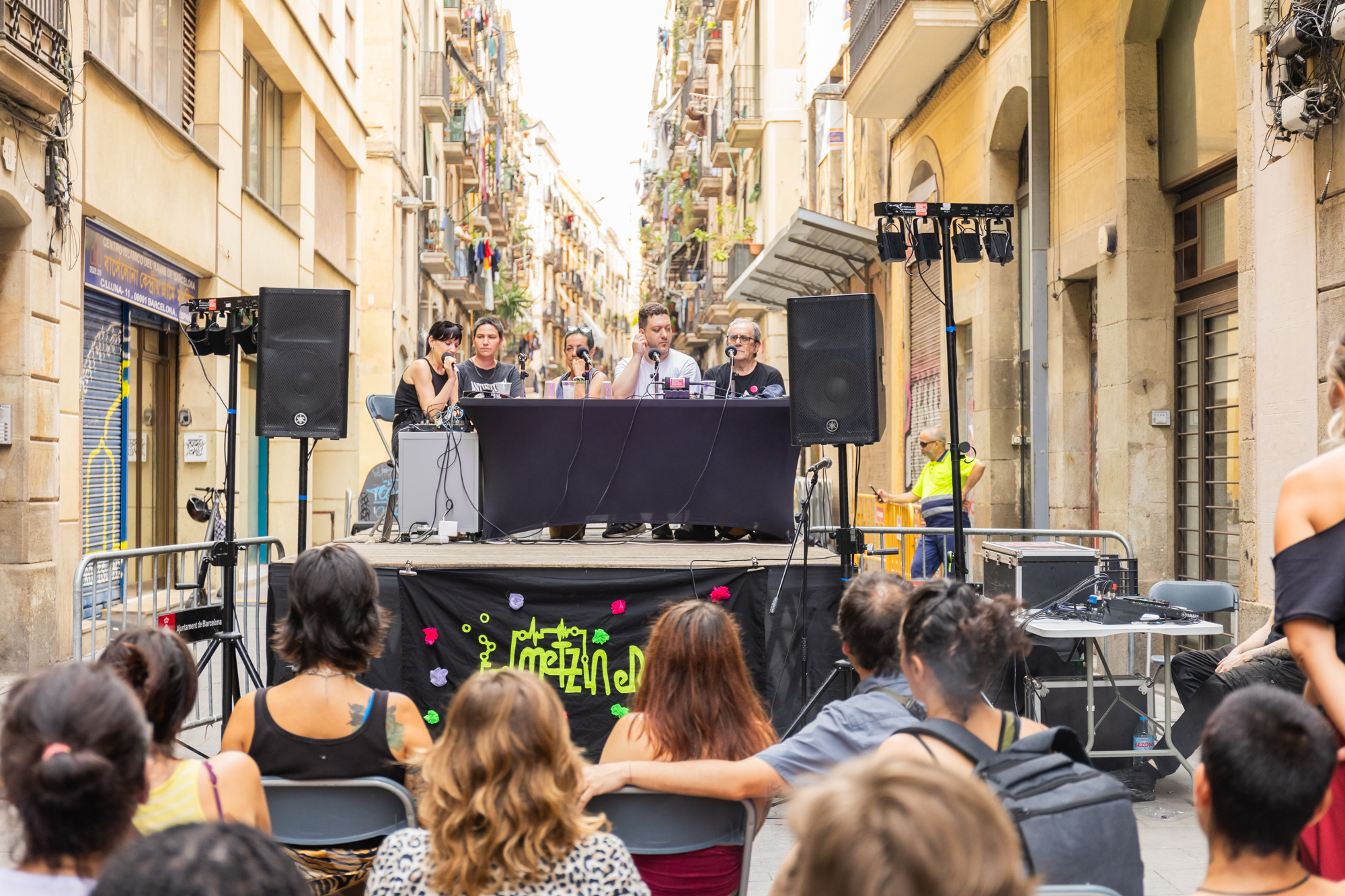
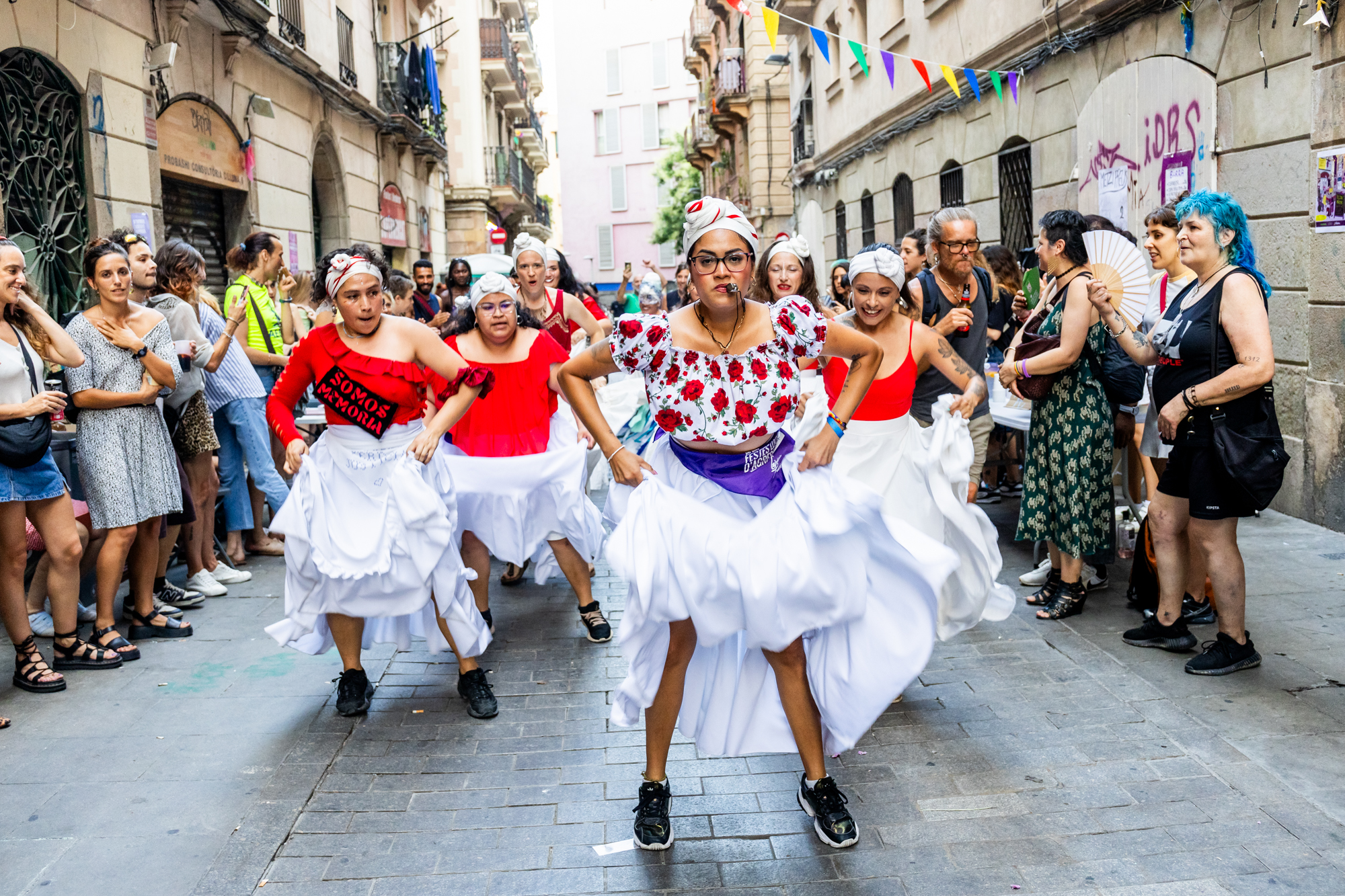
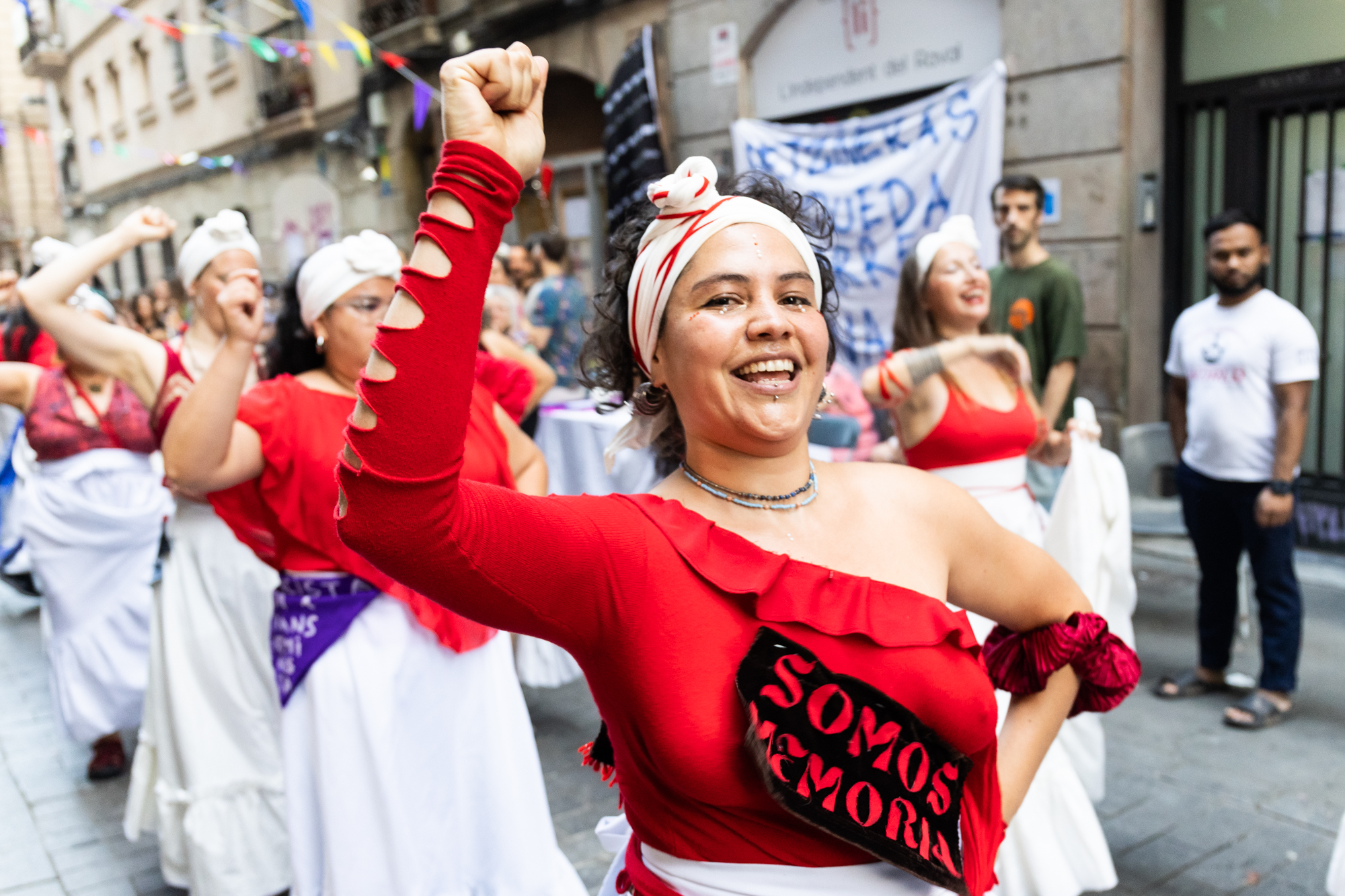
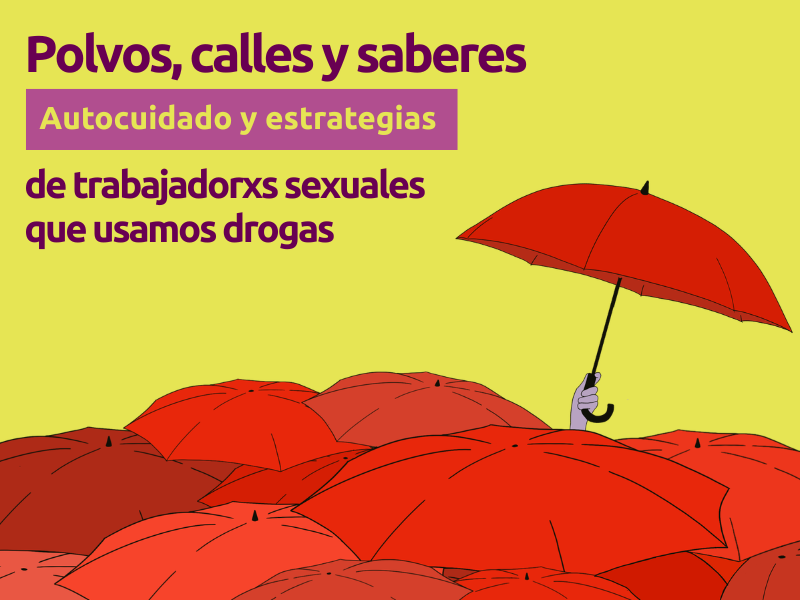
A few months ago, during the Raval Festivities, we presented for the first time the draft of a tool that carries within it the pulse of this neighborhood and of the womxn who inhabit it: Polvos, calles y saberes. Autocuidado y estrategias de trabajadorxs sexuales que usamos drogas.

This material did not come out of an academic laboratory or from a table of experts detached from our realities. It was born from a collective process that combined informal conversations in the street, weekly assemblies at our space in the Raval, community paellas, and working groups created specifically to share knowledge, gather experiences, and shape this guide. The process began in July 2024 through training sessions, interviews, and fieldwork, with the support of researcher Livia Motterle, but always with the protagonists at the center.

From this process came 20 in-depth interviews and a document of more than 100 pages that gathers real strategies for survival, harm reduction, and the defense of rights.

Our way of collecting knowledge is collective and community-based. That is the key. We know that those who best understand what happens in a room with a client, on the street, or on the margins of institutional circuits are those who have lived it. That is why this material is also an exchange: shared experiences, situated learning, and reflections built among peers.

Information to Break the Stigma

Stigma and criminalization feed on a lack of information, on silences, and on taboos. Naming what we live through is also a way of caring for ourselves, organizing, and demanding rights.

This guide is not a closed document. It is constantly in motion and is updated with every new lesson learned, with every strategy we share, and with every conversation that opens up new questions. It is material made by and for sex workers, but also an invitation to continue weaving networks of mutual support and community resistance. Polvos, calles y saberes is a starting point, a travel companion, a conversation that remains open.

Sharing Knowledge: From the Local to the International

Our struggle does not remain only in the streets of the Raval. Over the years, many of us have built ties with peers from other countries who have done sex work in different parts of the world, carrying with us diverse experiences, knowledge, and strategies. One of the most powerful experiences was the first Sex Workers’ Summit in Colombia, where we were able to meet leading voices in the struggle from different parts of the world.

This project is rooted in an intersectional perspective: it does not segment, separate, or rank. It sees each person in their entirety. Because substance use remains a taboo subject for many sex workers, offering this material means opening a space for accompaniment and support based on real experiences, not on external formulas or moralizing views.

On this International Sex Workers’ Day, from Metzineres we demand the right to information as a human right, the right to work without criminalization, and the right to make decisions about our own bodies.

We invite you to read Polvos, calles y saberes, to share it, to discuss it, and above all, to journey through the knowledge that is born from the margins.

Today and always: nothing about us without us.

Download the guide in Spanish here.

This project was carried out with the support of Ajuntament de Barcelona – Directorate of Feminisms and LGBTI Services of the Management Office for Culture, Education, Sports, and Life Cycles.

cas_imatge_post_memoria

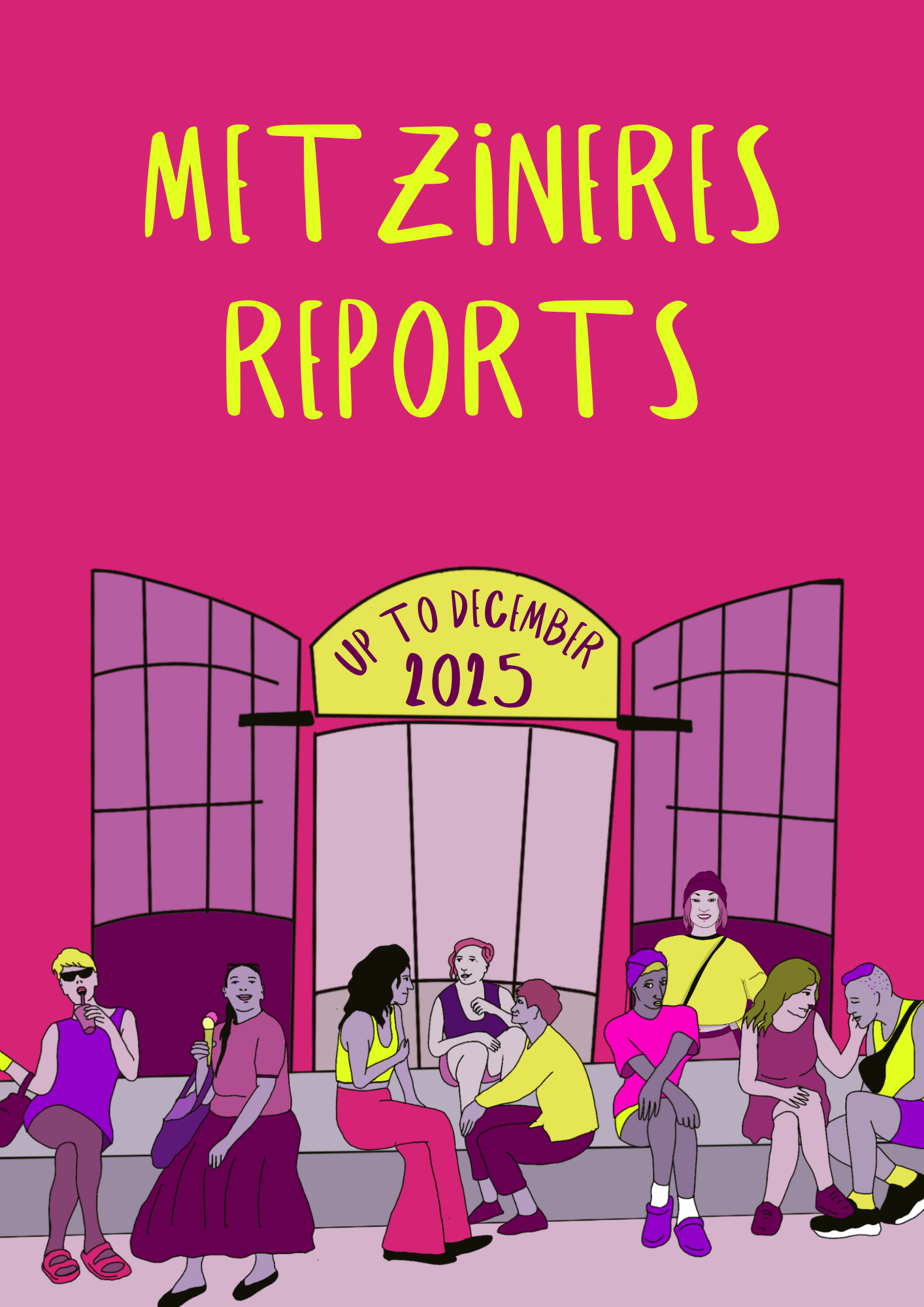
2025 at Metzineres: 11,181 support interventions, a consolidated model, and a report that speaks from the margins

We are publishing Metzineres’ 2025 report: a year in which we carried out 11,181 support interventions with 395 womxn —85 of whom arrived for the first time—, consolidated the Rights Space, and opened L’Arravalera. A community-based practice that shows that harm reduction is also housing, connection, health, and rights.

During 2025, we supported 395 women and gender-expansive people who use drugs and survive multiple situations of violence and vulnerability. Since the project began in 2017, we have supported a total of 748 womxn, 642 of whom remain connected to Metzineres today. These figures speak not only of activity: they speak of people, bonds, and a model that fills a gap no other resource in the area has managed to cover.

We have supported all of them in many different ways: sustaining Espacio Lluna 3 as an everyday home, going out into the streets where they are, defending them legally, providing health and psychological follow-up, facilitating workshops, organizing political advocacy actions, and caring for the neighbourhood in the Raval. We do this from an intersectional feminist, human rights, and full-spectrum harm reduction perspective, and through the Embedding of Peers: the model that places experiential knowledge and technical knowledge on the same level.

2025 has been a year of high intensity. We have had to adjust opening hours due to financial pressure, but we have not given up what defines us: supporting without expelling, sustaining the bond when life overflows, and making decisions together with the womxn themselves. What the data show is that the model works —and that community is also public policy,” says Aura Roig, founding director of Metzineres.

What we did during 2025

  • • 11,181 support interventions with 395 womxn at our premises on Carrer de la Lluna, 3, despite having had to close on weekends and public holidays since May due to lack of funding. 85 womxn arrived at Metzineres for the first time this year. There were days with 68 different womxn inside the premises in a single day.
  • • We guaranteed access to basic and violated needs through Espacio Lluna 3: 9,652 accesses to food, 9,572 mutual support interactions, approximately 1,680 showers, 1,680 daytime rests, around 1,400 uses of the washing machine and dryer, 1,127 uses of self-care spaces, and 1,227 accesses to the clothes-swap wardrobe.
  • • More than 9,000 consumption support interventions in the dressing room and courtyard; we carried out 55 substance analyses with Energy Control and distributed 6,900 condoms and self-care materials. No overdose occurred inside our spaces, although 16 were recorded outside the premises. This is no coincidence: it is the direct result of connection, trust, and ongoing support.
  •  390 health-related support interventions, including emergency care, primary care, and mental health, 285 of which were with sex workers and women engaged in survival sex. We strengthened follow-up on HIV treatment adherence for 44 womxn and carried out 36 preventive screenings on site.
  • • 185 individual psychological support processes and 288 group support interventions, with active presence in crisis situations and episodes of acute psychosis, avoiding coercive interventions and involuntary hospitalizations whenever possible.
  • • 1,487 legal actions with 178 womxn through the Rights Space: 641 consultations, 322 coordination actions, 320 support interventions, 26 legal representations in court, 67 prison visits, 33 multidisciplinary reports, and 21 requests for Community Service Orders. Since the beginning, 18 Community Service Order procedures have been carried out and successfully completed within Metzineres itself.
  • The street outreach team carried out 45 outings and 146 support interventions in different areas of Barcelona —Raval, Parc Joan Miró, Poble-sec, Montjuïc, Arc de Triomf—, reaching 35 womxn already connected to the project and 15 new people. They distributed 70 kits for smoked consumption, 85 for injected consumption, 45 naloxone kits, and 150 hygiene and intimate-care materials.
  • • We consolidated the community technicians team: 30 womxn connected to the project since the beginning, 6 of whom participate in the Intervention Directorate, 6 provide support inside and outside the premises, 7 are workshop facilitators, and 3 take on representative roles. During 2025, they led 309 support interventions, 72 workshops, and 11 artivism actions. Two represented the project in Lisbon and Porto, and one in Pereira, Colombia.
  • • We maintained a stable workshop programme: 48 Guerrilla Sewing sessions with 20 women, 35 Monologueando sessions with 40 women, 29 openings of the Metzitunning hair salon with 50 participants, and 11 feminist self-defence sessions with 10 women.
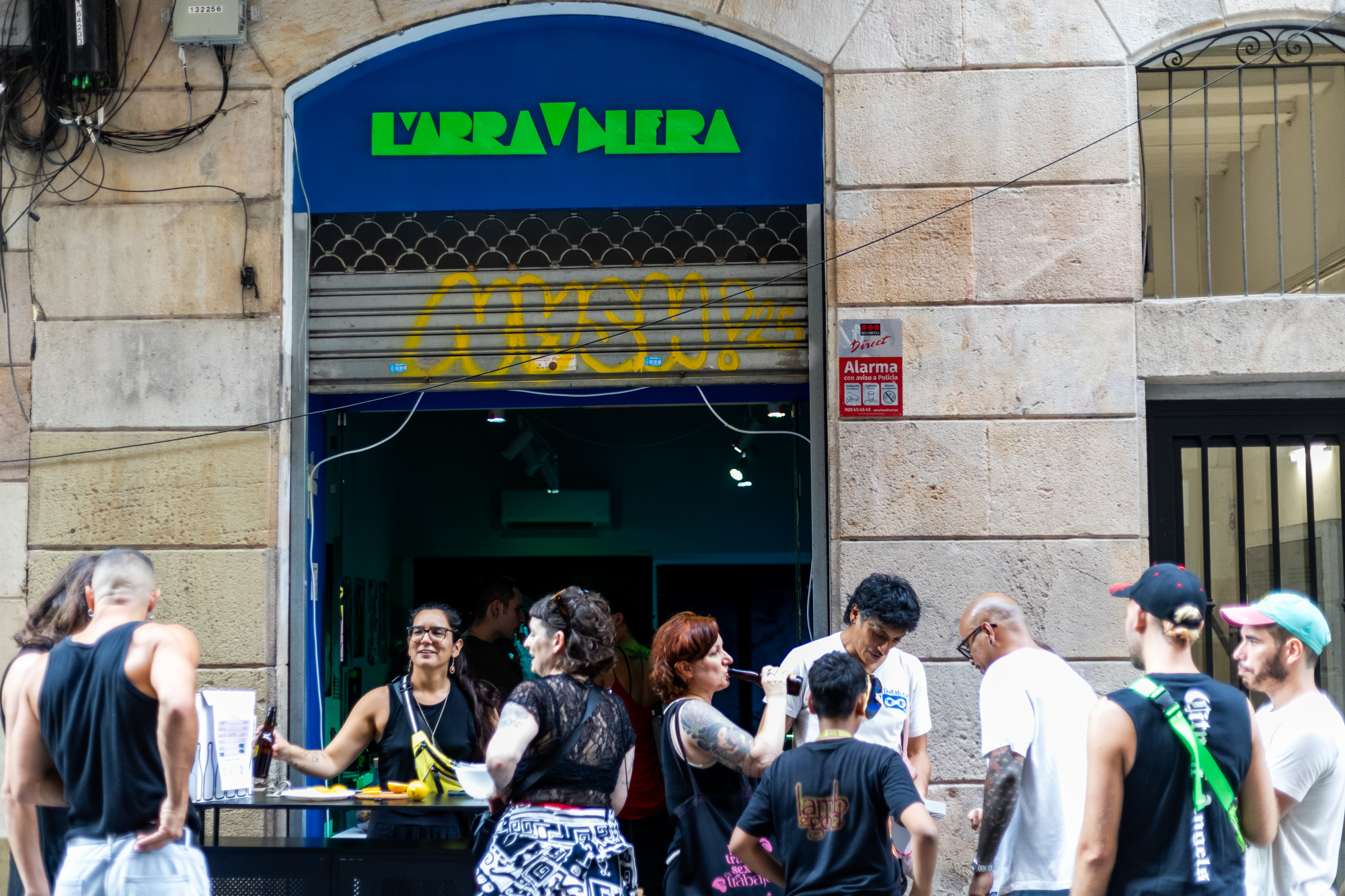
  • • We opened L’Arravalera on Carrer de la Lluna, 20, as a cultural, training, and advocacy space where the MTZ CreActions find a home. It will be consolidated in 2026 with an ongoing programme of exhibitions, gatherings, and training sessions.
  • • We strengthened neighbourhood ties in the Raval: we created the Neighbours’ Commission of Carrer de la Lluna, with three meetings already held, and took part in community actions such as Sou Llavor, the Book Fair, Barri cuida Barri, the Carrer Lluna neighbourhood festival, and the Raval(s) Festival.
  • • We carried out political advocacy at local and international levels by participating in spaces linked to drug policies, harm reduction, and human rights, such as the Harm Reduction International Conference in Bogotá and United Nations spaces. We continue to be part of the EU Civil Society Forum on Drugs, the Women’s Council of Catalonia, and the Barcelona Municipal Social Welfare Council.

What comes next

In the coming months, we face concrete challenges. The first and most urgent: guaranteeing a stable space where we can continue doing what we do. The second: reopening on weekends and public holidays, because life does not stop during office hours. The third: consolidating L’Arravalera as a stable cultural and advocacy space in the neighbourhood. The fourth: continuing to demand more stable, diversified public funding frameworks aligned with the real timelines of community intervention.

In 2026, we will also premiere the documentary about Metzineres, a piece that tells our story from within: the voices of the womxn, the bonds, the conflicts, the humour, the hardship, and the strength of sustaining life on the margins.

The challenge is no longer to prove that the model works. The challenge is for what works to be able to continue: to have a roof, a budget, and time. For womxn not to have to start over every time the market decides or a grant is delayed.

📄 Download the full 2025 report (PDF)

📄 Defend Metzineres Collaborate with a donation, volunteering, or by signing the campaign for the space.
If you want to help us sustain this space of rights, care, and community, learn about the different ways you can collaborate with Metzineres here.

SouLlavor_2026

Sou Llavor – 16F: living memory, community, struggle, and awareness

Every February 16th, we Metzineres march to remember Tatiana, Maricarmen, Ruth, Aisha, Samira, Ivonne, Rita, Pepita, Diah, Daphne, Arantxa, and so many other women who were victims of this oppressive system.

These are deaths that could and should have been prevented. Prohibitionist policies and the patriarchal system continue to violate our rights and criminalize our existence. Once again, we take to the streets to demand social justice and to reaffirm the need to promote anti-prohibitionist policies with an intersectional perspective.

March through El Raval

From our space on C/ de la Lluna, we began a route with four meaningful stops to remember our friends allies: Plaça del Pes de la Palla; C/ del Príncep de Viana; C/ de Vistalegre (former Metzineres center); and Plaça Emili Vendrell.

Each stop was a political and symbolic act: naming those who are no longer with us, recognizing ourselves as a network, denouncing structural violence, and affirming that we are still here.

We reclaimed public space through the pillars that sustain us: living memory, community, struggle, and awareness. At each stop, we left our mark with a purple high heel and a lit candle. We read the XADUD statement, placed stickers with excerpts from the text, and took a moment to remember them to the rhythm of their favorite songs.

Plaça Emili Vendrell was the final stage of the march, where we set up an altar with illustrations of our friends allies.

We continue to remember because you are the seed of our struggle.


We stand together, fierce and united, because they are the seed from which our roots of love, understanding, and mutual support continue to grow.”

Prou Feminicidis Rally

This February, Metzineres joined the Prou Feminicidis rally at Plaça Sant Jaume, organized by the Unitary Platform Against Gender-Based Violence. For the past 20 years, on the third Monday of every month, a gathering has been held to pay tribute to women murdered by male violence in Catalonia and across the Spanish State. Since the start of 2026, the number has risen to 11.

We joined the event and participated by voicing the XADUD manifesto and by the artistic interventions of María, Fran, and Luana. United to denounce, reject, and condemn feminicides and all forms of male violence, we raised our voices against a system that expels, criminalizes, and renders invisible women who use drugs and survive multiple forms of violence.


XADUD Manifesto

Today we raise our voices. We raise them together. We are seeds.

A seed that sprouts in every terrain, that grows in precarity. In the open wound of a system that pushes us to the margins.

Yet it is from the margins that struggles, demands, solidarity, and mutual care emerge.

We organize and we denounce. We build community where others see only exclusion.

This day is not a celebration. It is a demand. It is living memory.
It is a collective cry that declares, without doubt and without fear: our lives matter, our bodies matter, our voices count.

Our existence is not a mistake: it is a political response.

We are the womxn who sustain life in and from the margins:
womxn who use drugs, migrants, racialized womxn, unhoused womxn, dissidents, sex workers, psychiatrized womxn, criminalized womxn — all survivors of violence.

We are tired of being told that every blow makes us stronger, as if that could legitimize the violence inflicted upon us. No. NOT every blow makes us stronger — every blow hurts, and we do not want one more.

It is we who build our community and networks of care. The threads are woven from our friendship.

We demand social justice and human rights. We build safer spaces, practicing harm reduction and mutual care.

Today we remember those who are no longer here. We embrace each other in resistance and multiply our strength.

We are tired of asking for justice when life itself is a right.

From community and care, struggle will always remain.

We are Metzineres.
We are roots that sustain.
We are seeds that germinates.
We are life that defends itself.

And we continue: more visible, more united, and more combative.

Photographs: Andre Gaetano, Metzineres Photographer.

Ilustración_sin_título 6

The Street Is Also a Space of Care

Every week, Metzineres’ interdisciplinary community street outreach team goes out into the streets of El Raval and other areas of the city to support womxn who are surviving multiple situations of vulnerability, violence, and housing exclusion.

The everyday violence, emotional burdens, personal impacts, institutional barriers, and stigma that womxn experiencing homelessness often face when trying to access services and resources mean that many are left outside standardized support systems and do not feel able to approach them.

The community street outreach work we carry out goes beyond providing holistic support, building bonds, listening without judgment, and creating relationships of trust based on respect, harm reduction, and trauma-informed care. It also means recognizing that each womxn has her own timing, needs, and survival strategies.

The support we provide is interdisciplinary and holistic. The team is made up of professionals from the social, health, psychological, and legal fields, as well as people with lived experience. This enables us to offer flexible responses adapted to each specific situation: from social and health support, emotional accompaniment, and legal advice, to coordination, referrals, and follow-up with other services linked to basic rights such as housing, healthcare, and documentation.

Many of the womxn we support carry bags, belongings, and life stories marked by violence, the feminization of poverty, and stigma. Street outreach allows us to reach them from a different place: through proximity, continuity, and recognition of their autonomy.

This approach also creates spaces for collective empowerment. Sharing information, experiences, and strategies among peers helps build support networks and community-based forms of protection and self-care. In this sense, the street also becomes a political space from which to defend rights and denounce the structural violence that cuts across women’s homelessness.

In Barcelona, women’s homelessness continues to be particularly invisibilized. Many women do not literally sleep on the street, but move through situations of inadequate housing, squats, temporary stays on sofas, or unsafe spaces. This reality is often left out of statistics and traditional care models. At Metzineres, we work precisely to make these realities visible and to generate appropriate responses from a feminist and community-based perspective.

As relevant project data, we highlight that in 2025, 395 different womxn were supported through the various sheltering environments deployed by Metzineres —89% of whom were experiencing homelessness and 79% of whom were roofless—, and 85 of them were new participants. This demonstrates the scale of this reality and the lack of specific spaces adapted to their needs.

Secondly, the implementation of the project has contributed to mitigating the risks associated with life on the street and the structural violence that particularly affects womxn. During this period, 45 outreach sessions were carried out, resulting in 146 direct support actions and reaching 35 womxn already linked to the organization, as well as 15 womxn who were not yet familiar with our project.

This support included active listening, needs assessment, guidance on available resources, and occasional or ongoing accompaniment to facilitate access to social, health, or legal services. The continued presence on the street has made it possible to sustain bonds with womxn who are often left outside institutional care systems and to facilitate gradual processes of connection with Metzineres.

The project has been developed with the support of Ajuntament de Barcelona.


Weaving networks, bodies and economy

Weaving networks, bodies and economy: what we have achieved with the international projection of Metzineres merchandising

A few months ago, we embarked on an ambitious journey: we not only wanted to raise awareness of Metzineres’ values beyond our neighbourhood of Raval, but also to find sustainable sources of income that would allow us to continue supporting this community project over time, based on our own bodies, stories and resistance.

Metzineres was created to provide safe environments for women who use drugs and survive multiple forms of violence, helping them to regain confidence and collective support. With this reality, maintaining the tools that allow us to continue accompanying, caring for and weaving networks has always been a political and practical priority.

The project we are sharing today has not been a one-off task, but a collective construction that has involved reflection, listening, diagnosis and the implementation of processes that, until now, were not defined or systematised.

What have we achieved?

First, we have built a clear merchandising distribution strategy, focusing on the coherence between our feminist, community and anti-stigma values and economic operations. Because it is not about ‘selling for the sake of selling’, but about thinking about how to generate income without losing our voice or our purpose.

This plan did not come out of nowhere: it was developed from our internal discussions, from recognising our operational capacity, from knowing what we expect from the project and what we are not willing to do.

Gaining financial autonomy without losing sight of our goals

One of the clearest commitments of this project has been to break away from the idea of almost total dependence on subsidies or external support, and to move towards forms of income that arise from our relationships, our stories and our community aesthetic.

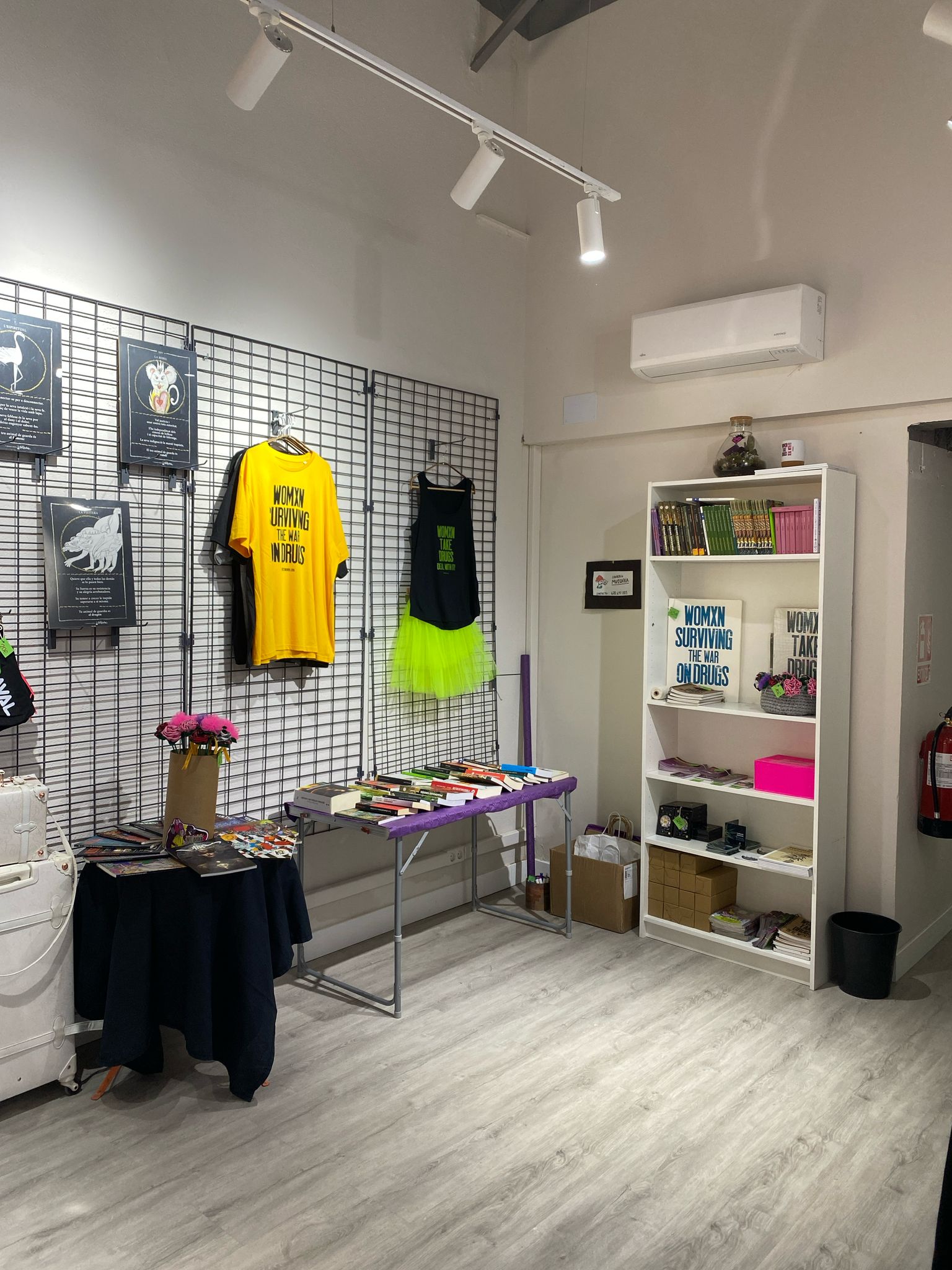
Merchandising—when well thought out—is not just an object to sell: it is a narrative tool. Every T-shirt, every tote bag, every product linked to Metzineres carries with it a story of resilience, of dialogue with stigma, of desire for social transformation. The fact that these objects are distributed, sold and enjoyed in broader contexts is also a way of making the invisible visible, of highlighting what is often left out of statistics and public policies.

At the same time, it allows us to begin to weave economic and symbolic networks beyond the Raval, connecting with collectives, shops and spaces that share our vision for change.

Beyond the numbers

Although part of the systematisation of this project requires us to account for sales, analyse channels and measure results, what really matters to us cannot be reduced to figures. What matters to us is that:

  • the value of our collective work is recognised,
  • the collective strength of people who, from the margins, generate their own transformative economic proposals is made visible,
  • and that these proposals reinforce our practices of care, sisterhood and resistance.

This project has also taught us that the economy can be feminist and transformative when it is not only at the service of profit, but also at the service of life projects.

We continue to move forward, learning and expanding. Every time we see a product leave our hands and reach other hands, we feel that this gesture is an act of political visibility and emotional sustainability.

With the support of

Weaving networks and visibility: the circulation of Metzineres merchandising in international spaces

Over the past year, at Metzineres we have promoted various communication actions aimed at the promotion and circulation of our merchandising, combining graphic materials with an active presence in strategic spaces, both physical and international.

We have developed and disseminated graphic materials specifically designed for circulation on social media, allied channels and spaces within the social and solidarity economy, as well as for printing and distribution in in-person contexts. These materials have accompanied Metzineres’ participation in conferences, gatherings and events, enabling situated, direct communication in dialogue with other collectives.

We have also worked on the creation of a specific harm reduction material designed for use in conferences and advocacy spaces, which accompanies all our merchandising in a transversal way. This material not only contextualizes the products, but also opens up conversations, shares situated knowledge and reinforces Metzineres’ political positioning in each space.

A key part of this strategy has been the activation of direct sales and distribution spaces in international gatherings, where merchandising has functioned as a tool for economic sustainability, as well as a political and relational device.

Within this framework, Metzineres has been present at:

  • The AWID International Forum (Bangkok, December 2024), a global feminist gathering where our materials circulated among activists and international networks.
  • The 69th Commission on the Status of Women (CSW69, New York, March 2025), strengthening the presence of community-based practices in institutional spaces.
  • The 68th Commission on Narcotic Drugs (CND, Vienna, March 2025), contributing to advocacy in drug policy from a feminist and harm reduction perspective.
  • The International Harm Reduction Conference 2025 (HR25), which brought together more than 1,000 participants from over 60 countries, creating a fertile space for exchange and dissemination.

In all these contexts, Metzineres merchandising —accompanied by graphic materials and the specific harm reduction content— has facilitated conversations, connections with allied actors, and the expansion of our networks. Each object, each image and each exchange is part of a living communication strategy that understands dissemination as a collective and situated practice.

We remain committed to forms of communication that not only inform, but also build relationships, sustain processes and circulate alternative narratives.

With the support of the Ajuntament de Barcelona.

Strengthening Care and Cooperation Networks

The Strategic Projects for Economic Recovery and Transformation (PERTE), funded by the Ministry for Ecological Transition and the Demographic Challenge of the Spanish state, are strategic initiatives aimed at transforming the economy across different key areas. One of these lines focuses on the social economy and care, seeking to strengthen and consolidate alliances among research centers, organizations, cooperatives, and entities across the country that work within the social economy and the care sector. The Innova Cuidados group—made up of the cooperatives Mujeres Pa’ Lante and Metzineres (located in Barcelona) and La Comala (located in Madrid)—received support from this PERTE from February 2024 to September 2025, enabling them to strengthen their capacities, weave alliances, and generate practical tools to improve care, enhance management within each cooperative, and reinforce inter-cooperation efforts.

At Metzineres, this has resulted in significant institutional strengthening. This process allowed us to develop key tools to consolidate our organization: the Metziverse and the 5-year Strategic Plan, the pilot Plan for Internal and External Training, Human Resources Policies, the draft of the Equality Plan, and the Volunteer Plan. In this way, we move towards a more solid, well-cared-for, and sustainable cooperative. In terms of technological innovation, we have reinforced processes related to internal ICT infrastructure as well as the Metzintranet project (our own internal database). The outcome in terms of transformation, modernization, and innovation is highly satisfactory, rooted in the use of free/libre software tools, locally based technological services, and a shared techno-ethical awareness.

La Comala, in turn, also concludes this process strengthened. The support from PERTE helped clearly define its structure, governance, and organizational communication. It also enabled the development of the second viability plan, which supports economic, social, and environmental sustainability. Digital tools have strengthened the administrative management system. Training in ICT, life skills, professional certification, and occupational risk prevention, among others, has contributed to team consolidation and personal and cooperative growth. It has also strengthened key alliances within the Social and Solidarity Economy (SSE). We have progressed greatly, and still have work ahead to fully consolidate what has been achieved.

For the Mujeres Pa’lante Cooperative, this grant provided the momentum needed to reach the next level and continue growing: expanding the workforce, opening a new business line, and creating more employment. It also enabled the updating of equipment and tools, the renewal of the organization’s website, and the strengthening of the communications area. In the words of one of its members, “today we are a stronger, more visible brand with greater impact in a highly feminized sector.”

As a collective conclusion, we can say that the 2024–2025 PERTE has contributed to a qualitative leap for the Innova Cuidados grouping, made up of the cooperatives Mujeres Pa’ Lante, La Comala, and Metzineres. Overall results show that we strengthened our internal processes and management. At the same time, we improved equipment, services, and staffing to take better care of one another. We innovated by creating or enhancing new business lines and digital tools adapted to our realities. We conducted assessments that allow us to move towards more agile and resilient cooperatives. We promoted awareness-raising and advocacy efforts by organizing the national conference on a new model of care, held in Barcelona in June of this year and titled “Caring in Community,” which brought together sector-based organizations from different parts of the Spanish state.

In the face of current global challenges and adversities, this shared journey demonstrates the power of cooperation and the Social and Solidarity Economy. We continue to weave alliances to transform care from a community-based perspective.


Dust, Streets, and Knowledge

Self-care and Strategies of Sex Workers Who Use Drugs

Metzineres has launched a project that centers the voices of sex workers who use drugs and survive multiple forms of violence and vulnerability. The project, titled “Survival and Harm Reduction Strategies in Sex Work”,  has been a community-driven, collaborative process to co-create a guidance tool based on lived experience — developed both as a detailed report and as an accessible guide — with the support of researcher Livia Motterle.

It all began in July 2024, with preparatory training sessions, fieldwork, research, diagnostics, interviews, and neighborhood meetings. Gradually, informal conversations, weekly assemblies at the Metzineres space, and even a community paella became spaces of listening and trust. From this process, 20 in-depth interviews emerged.

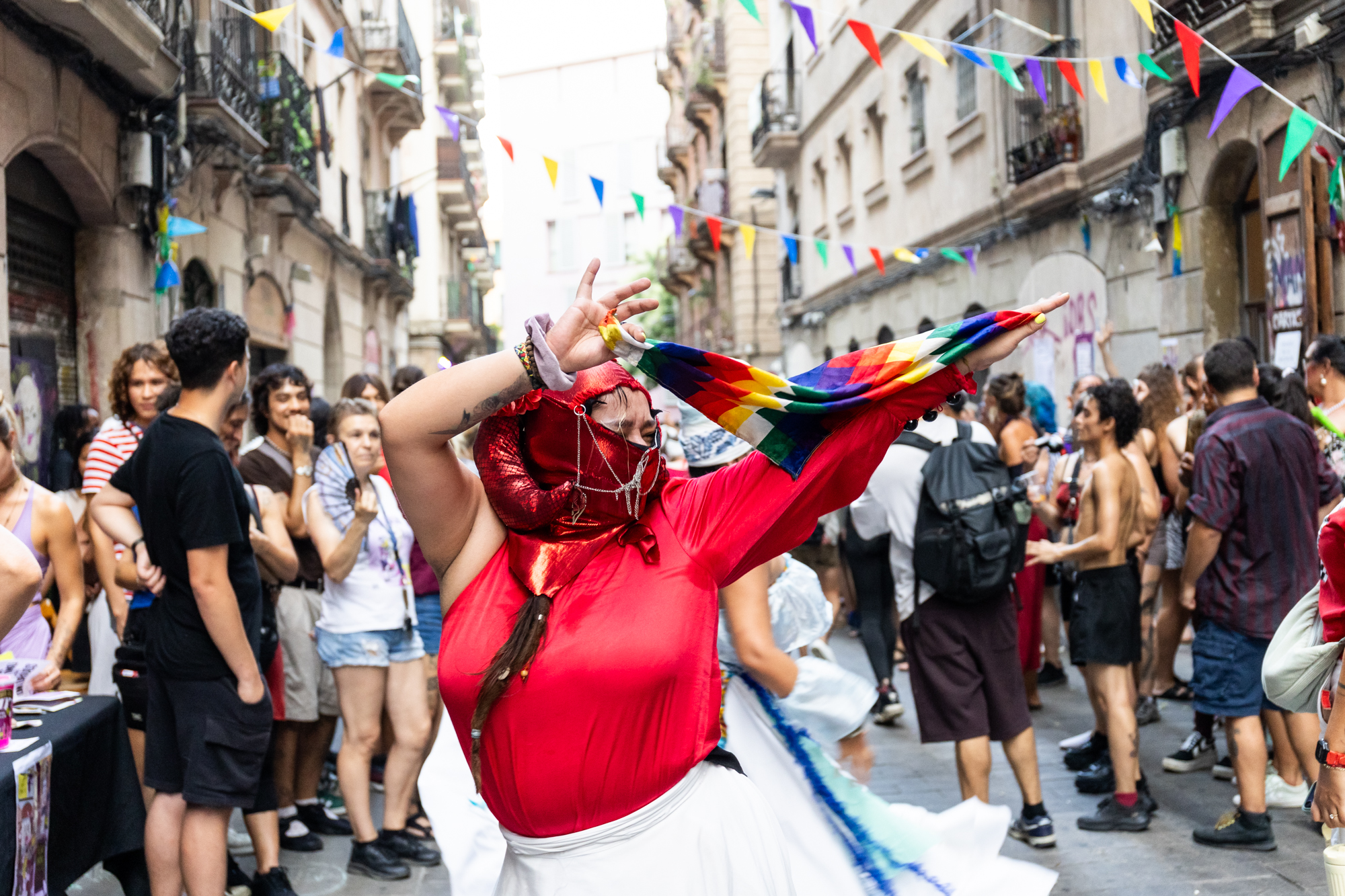
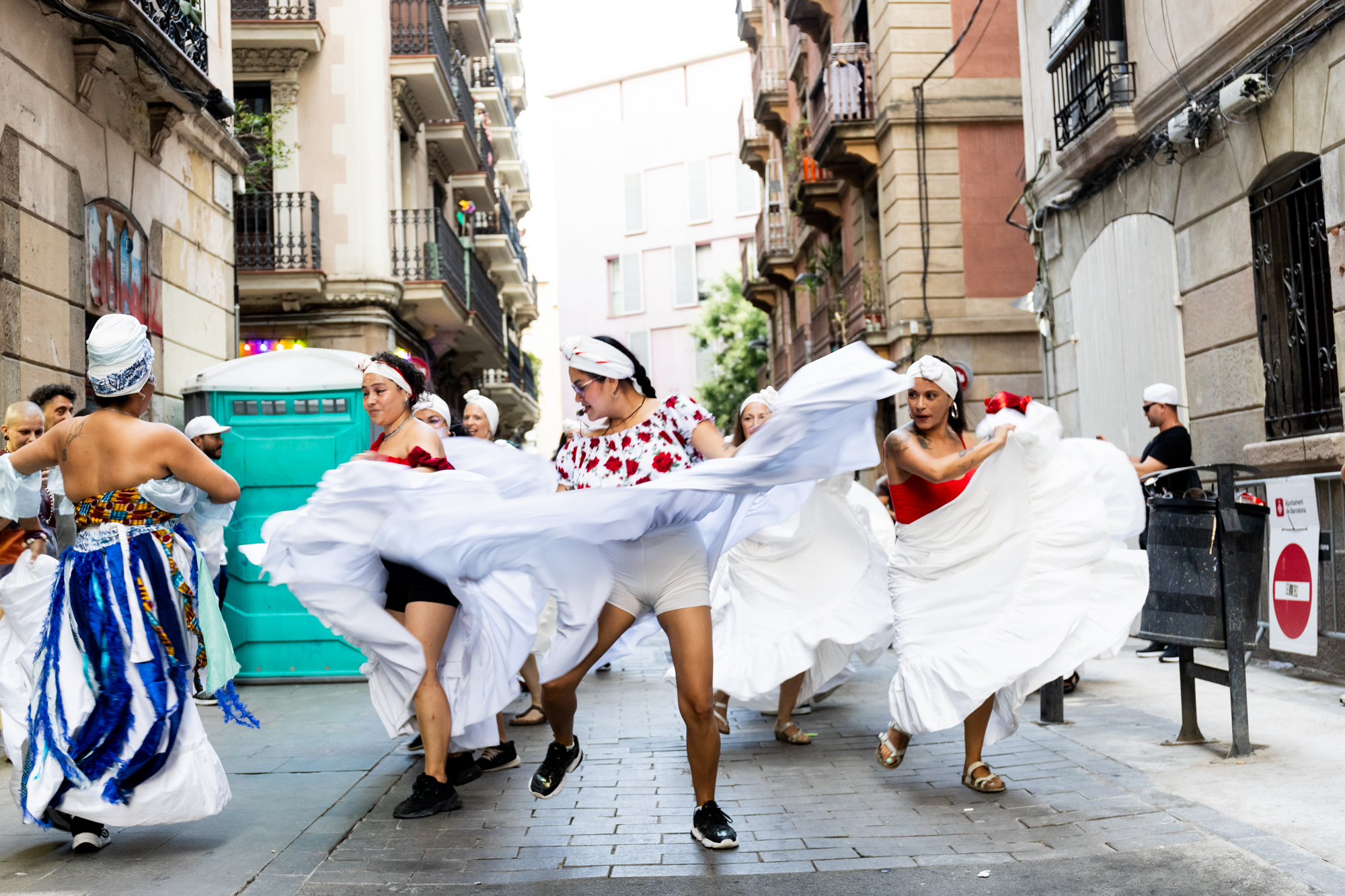
The result was a 100+ page document of analysis, reflection, and survival and resistance strategies — far exceeding our expectations. It places the experience of sex workers themselves at the center of knowledge production (to be used in actions and/or public policies that, in turn, will help make their rights effective). The first presentation and feedback session for this process took place during this year’s Festes del Raval as a way to begin raising awareness, fostering dialogue, and encouraging advocacy.

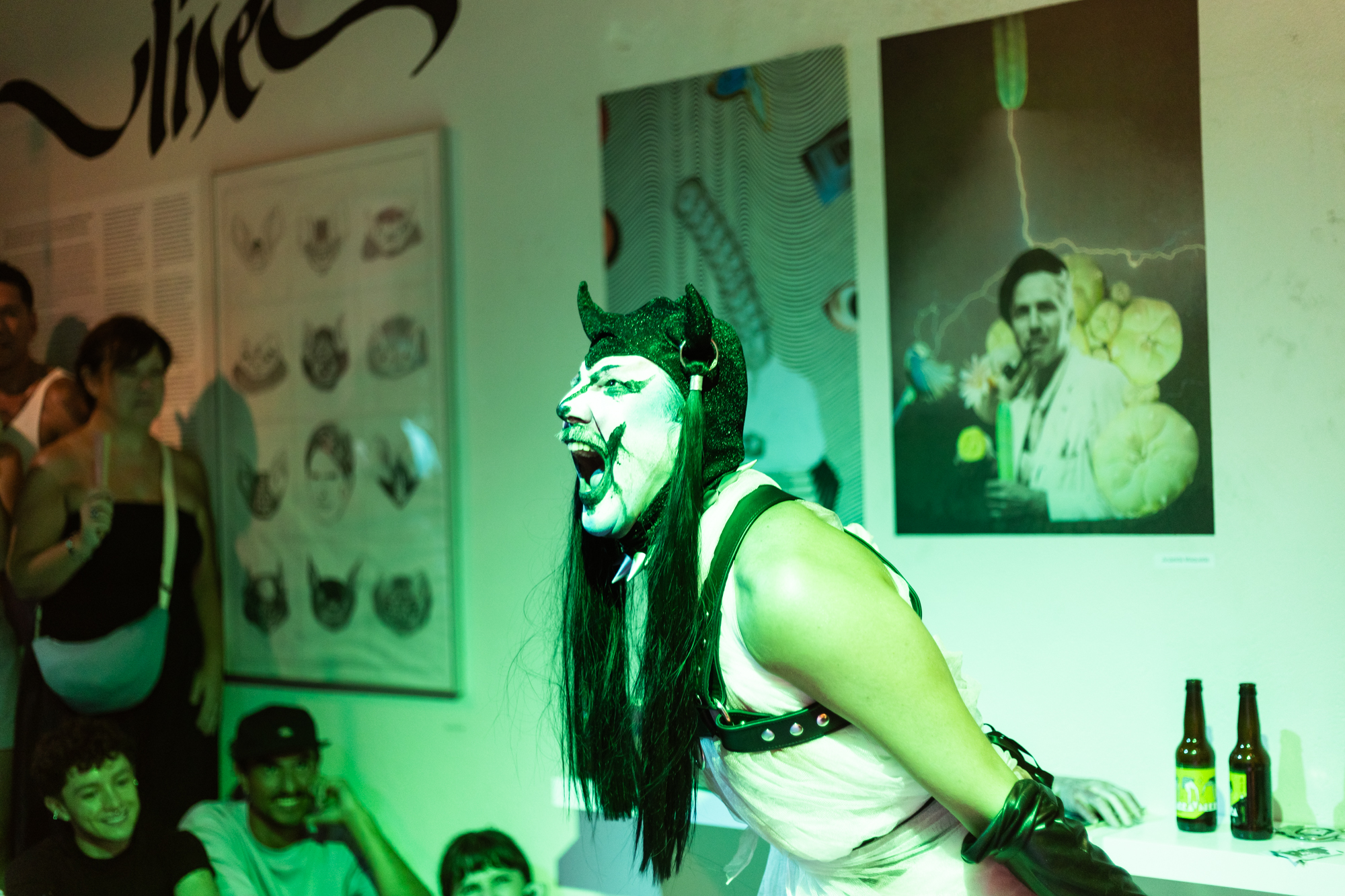
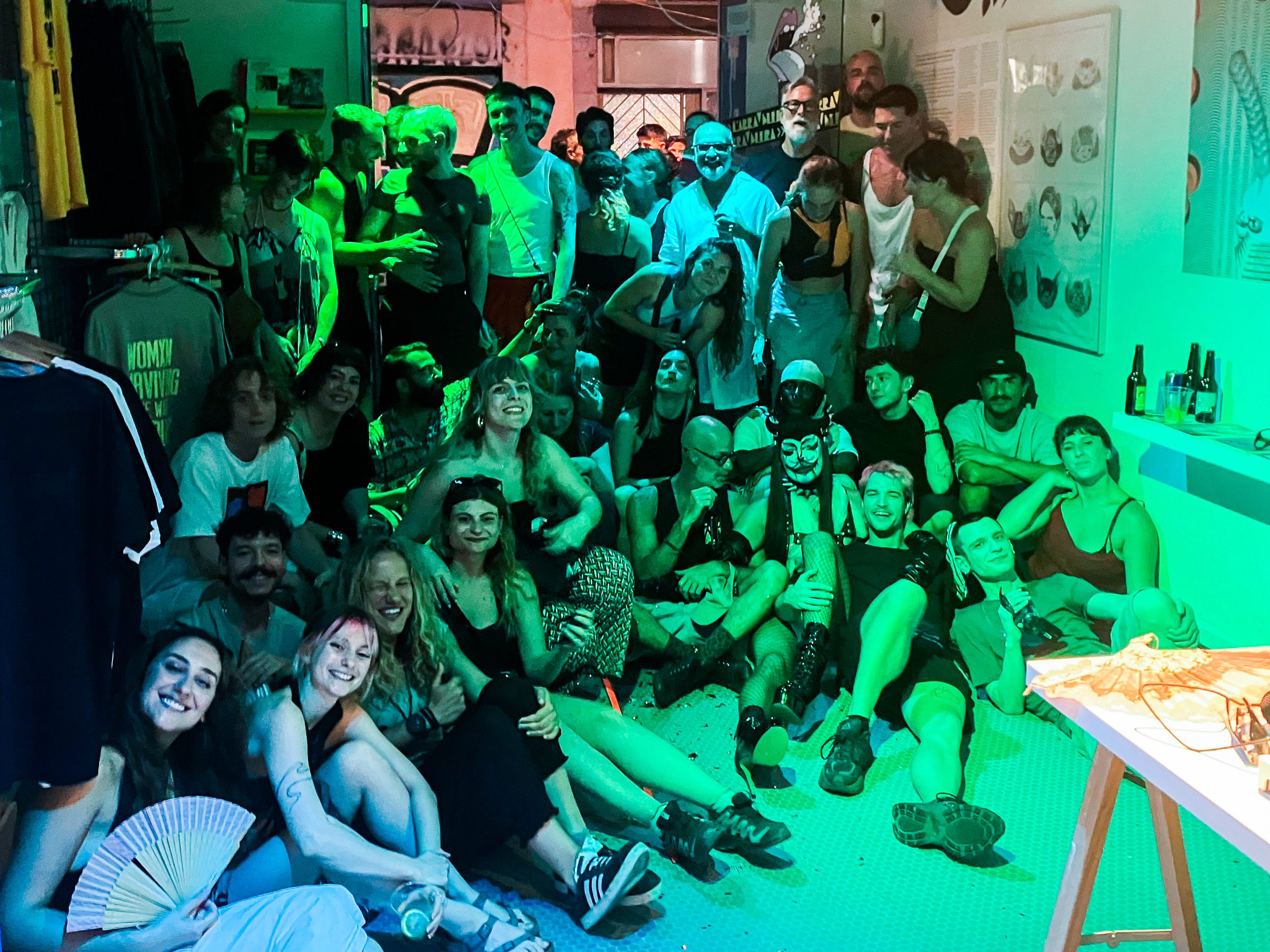
Likewise, the draft of the final practical guide was presented at Arravalera — a community, cultural, anti-prohibitionist, and transfeminist space also promoted by Metzineres — which gathers real strategies of survival and harm reduction, defending the rights of sex workers. This is a material co-created with and for them, which continues to strengthen the network of mutual support and community resistance in the Raval.

With the support of the Barcelona City Council – Directorate of Feminisms and LGTBI of the Department of Culture, Education, Sports, and Life Cycles.

Metzineres at HR25: We Didn’t Ask for a Seat—We Built a New Table

The Harm Reduction International Conference 2025 “Sowing change for harvesting justice” held in Bogotá, Colombia became a vibrant space of political articulation, situated knowledge, and collective action. This year, Metzineres wasn’t just present — it disrupted, questioned, and reimagined the global paradigm of harm reduction.

From the very first day, our participation was powerful. Silvie Ojeda, our Director of Communications and Advocacy, brought the critical voice of oppressed communities in colonized territories to the opening plenary:   where Silvie shared the space with Sam Rivera as chair, Alí Bantú Ashanti from Colectivo Justicia Racial, Colombia, Kojo Koram from Birkbeck College, University of London, UK and Kokila Annamalai from  Transformative Justice Collective, Singapore. From the stage, she denounced how colonial structures uphold the war on drugs — a war that, through militarization, harms, excludes, and kills innocent lives with a disproportionate impact on racialized, impoverished people, women, and gender-expansive communities. Her intervention shook the audience and challenged them to rethink which bodies are considered worthy of public policy and which remain criminalized.

That same day, founding director Aura Roig spoke in a parallel session organized by UNODC, focusing on good practices that tackle gender-based violence against women and gender-expansive people who use drugs. With clarity and strength, she highlighted how institutional responses often reproduce more harm than care, asserting that harm reduction must also be a feminist tool against machista violence. On Tuesday, Aura spoke again in a central panel on gender perspectives in harm reduction, alongside international peers like Judy Chang and Wangari Kimemia. She positioned Metzineres’ intersectional, community-based approach as a disruptive alternative to dominant biomedical models — one where care is political, collective, and liberating.

Meanwhile, Silvie Ojeda participated in a special radio broadcast of “Dosis Mínima” hosted by Colombian media outlet Mutante, where she emphasized that beyond substances, it is exclusion and poverty that generate discrimination. Minutes later, she joined “Mujeres Psicoactivas,” led by RIA Institute of Mexico, where she explored how drug policies disproportionately impact women and gender-expansive people. In these spaces, communication became a radical act — where lived experiences and collective reflections echoed truths rarely given a microphone.

In the afternoon, Metzineres took part in two critical events. At a dialogue organized by the Government of Colombia and chaired by Alexander Rivera from the minister of Justice, called Broad-spectrum harm reduction: what is it, how does it take shape, and what challenges does it pose?” This space was key in strengthening the social approach of the Drug Policy, integrating social determinants, a gender perspective, intersectionality, and inclusion strategies. We exchanged experiences that helped consolidate a policy based on care, inclusion, and the reduction of vulnerabilities. We reunited with long-time friends like Liz Evans, Inés Elvira Mejía, and Sarah Evans, Ester Aranda and Jamel Lazic. Together, we shared a rights-based vision shaped by lived experience and local knowledge, stating that Harm reduction isn’t just about drugs—it’s about housing, racial justice, economic justice, and more. The limitations of viewing harm reduction as isolated strategies were also emphasized, especially considering that Colombia has a rich history of community work and centering people. In this sense, they will incorporate lessons learned from Europe, without repeating the same mistakes

Later, Aura chaired the session on drug consumption rooms where experiences from different territories shared insights for building advocacy strategies, alliances, and sustainable models that place users at the center of decision-making.

On Wednesday, Metzineres continued to bring strong presence. At a session hosted by IPPF and AWID on feminist approaches to sexual and reproductive health and rights, Silvie spoke about how our community weaves together desire, pleasure, harm reduction, and bodily sovereignty. She also presented data on the disproportionate impact of the war on drugs on women, girls, and gender-diverse people. Finally, in a session on the criminalization and police violence against Black women, Silvie firmly denounced the systemic violence endured by our sisters and called for radical, active, and committed solidarity with dignified life.

What Metzineres brought to HR25 wasn’t just participation — it was transformation. They challenged audiences to be braver. They demanded that harm reduction truly mean inclusion. They reminded the world that care is political — and that those most criminalized are also those most equipped to lead. In Bogotá, Metzineres didn’t ask for a seat at the table. They built a new one — and invited us all to sit, listen, and act.

At the Harm Reduction International Conference 2025, it was deeply affirming to see all major awards go to women whose tireless work has not only advanced the global harm reduction movement but has also directly nurtured and mentored Metzineres. Inés Elvira Mejía Motta’s unwavering dedication to building inclusive drug policy in Latin America has been a guiding force for our own advocacy, offering both strategic support and heartfelt encouragement over the years. Judy Chang’s fearless leadership in centering the voices of people who use drugs has inspired us to remain unapologetically bold in our demands for dignity and rights. Liz Evans, a pioneer in compassionate care, has shown us what it means to build with integrity, compassion, and long-term vision—reminding us always to place people at the center. And Sue Purchase, with her grassroots power and commitment to sisterhood through Harm Reduction Sisters, has shown us the strength of collective care and the transformative potential of feminist harm reduction in action. These awards are more than recognition—they are a tribute to the women who have lifted us up, walked beside us, and reminded us that another world is not only possible, but already in motion.

We invite you to view photos and videos from this inspiring journey.


Les Metzineres vam ser premiades per l'Observatori Català de la Justícia a Violència Machista

The Metzineres were awarded by the Catalan Observatory of Justice in Gender Violence

It is the award for the best initiative launched by a private entity: Entorno de derechos Casa Marianne.

Last November 27, the Metzineres attended the awards ceremony of the Catalan Observatory of Justice in Gender Violence (OCJVM) of the Generalitat de Catalunya of the year 2024, where we were awarded for our project “Environment of rights Casa Marianne”, highlighted for being an initiative aimed at the eradication of gender violence in the field of justice.

Casa Marianne is a legal shelter for women criminalized for surviving multiple situations of exclusion that seeks to reduce the impact of barriers to access to rights and provide tools to address the criminalization suffered by women and gender-diverse people who use drugs and survive multiple situations of violence and vulnerability.

From Metzineres we support their work by providing legal advice and support to the women participating in the project, as well as legal representation in those legal proceedings in which they do not have a public defender to represent them.

The awards of the Catalan Observatory of Justice in Gender Violence are given every year and are a way to recognize our work against gender violence and the patriarchal heteronormative system, and also a way to encourage us to continue on this path of building networks and support spaces for every woman who needs it.